
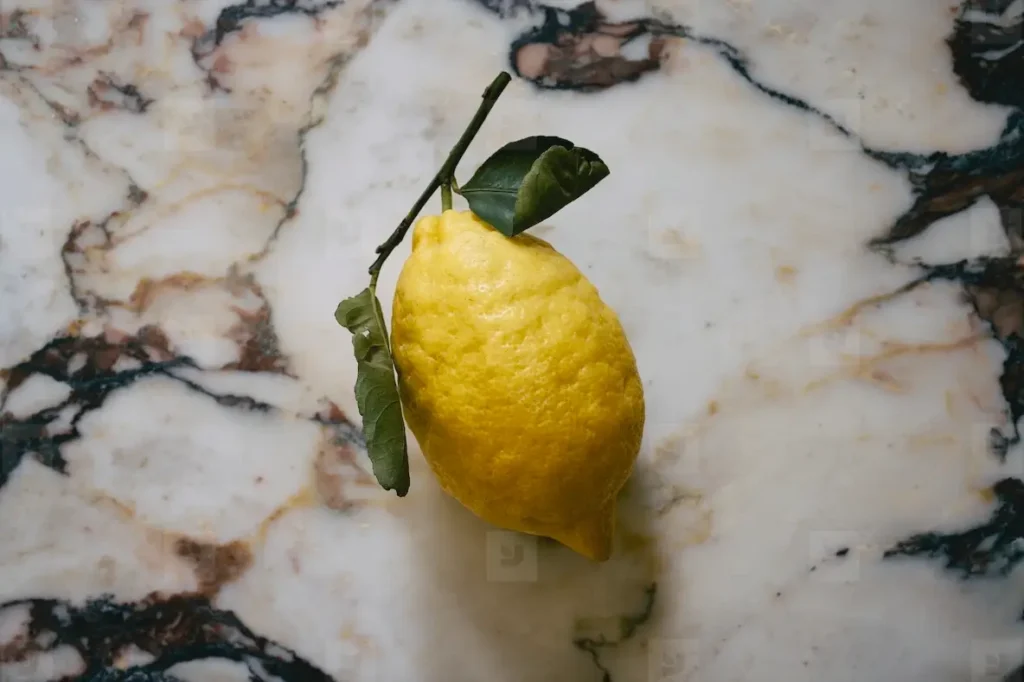
Lemons may be natural cleaners, but they’re not right for every surface.
When it comes to natural cleaning, lemon often takes center stage. Its bright scent and natural acidity make it a go-to choice for cutting grease and lifting grime. However, despite its cleaning power, lemon juice can actually harm certain materials in your home — especially when it comes to premium surfaces like natural stone and specialty finishes.
At Countertop Solutions, our surface care experts emphasize one key rule: “Natural doesn’t always mean safe.” Using lemon on the wrong material can leave dull spots, streaks, or even permanent etching. Here’s a list of nine surfaces you should never clean with lemon, and what to use instead.
1. Natural Stone Countertops

Lemon juice is highly acidic, which means it reacts negatively with calcium-based materials like marble, limestone, and some granites. Over time, this can cause etching, dulling, and permanent surface damage.
What to use instead: Stick with a pH-neutral stone cleaner or mild dish soap diluted in warm water. These solutions gently lift grime without breaking down the stone’s seal or polish.
2. Electronic Screens
Never use lemon juice or any acidic solution on TVs, monitors, or phone screens. The moisture and acid can strip the delicate anti-glare coatings and leave streaks that are hard to remove.
What to use instead: A dry microfiber cloth or a manufacturer-approved screen cleaner.
3. Painted Surfaces
Lemon contains limonene, a natural solvent strong enough to strip away or dull paint finishes. Even brief contact can leave faded or discolored spots on walls, furniture, or trim.
What to use instead: A mix of warm water and mild soap works for most painted surfaces. For small stains, try baking soda and water, then wipe clean with a damp cloth.
4. Stainless Steel Appliances

While lemons might give stainless steel a short-term shine, the acid can cause pitting, corrosion, or streaking over time.
What to use instead: Clean with warm, soapy water and a microfiber cloth or a specialized stainless-steel cleaner. These remove fingerprints and buildup while protecting the finish.
5. Brass or Copper Fixtures
A quick swipe of lemon juice might make brass or copper gleam, but it can also strip away protective coatings or the natural patina that many homeowners love. Over time, lemon can lead to pitting or uneven discoloration.
What to use instead: Use a brass or copper cleaner designed to preserve protective coatings. For uncoated metals, a baking soda and water paste provides a gentle, effective clean.
6. Hardwood Floors

Lemon juice can break down the sealant and finish that protect your hardwood floors, leaving them vulnerable to warping and staining.
What to use instead: Choose a pH-balanced wood cleaner and a microfiber mop. These maintain the wood’s natural sheen without damaging the protective layer.
7. Aluminum Cookware
Lemon reacts chemically with aluminum, leading to pitting, dark spots, or discoloration.
What to use instead: Wash with warm water, mild dish soap, and a soft sponge. For stubborn spots, try a baking soda paste to lift stains safely.
8. Colorful Fabrics
Because lemon acts as a natural bleaching agent, it can fade or unevenly lighten fabrics — especially dyed linens or upholstery.
What to use instead: Opt for a gentle fabric stain remover or mix dish soap with water for light spot cleaning.
9. Car Exteriors
Never use lemon juice to clean a car’s paint or chrome. Its acid will eat away at the protective clear coat, causing dullness and premature oxidation.
What to use instead: A pH-balanced car wash solution is safe and designed to maintain the protective finish.
The Takeaway
At Countertop Solutions, we understand that maintaining your home’s surfaces requires more than elbow grease — it takes the right knowledge and the right products. Lemon can be a powerful natural cleaner, but when used incorrectly, it can lead to irreversible damage, especially on high-end materials like natural stone.
If you’re unsure what’s safe for your countertop or surface type, our specialists can recommend professional-grade cleaners designed to protect your investment for years to come.