
And how to fix them for a more functional, welcoming space
The kitchen is the heart of the home. It’s where meals are made, conversations happen, and everyday life unfolds. Because it plays so many roles, good kitchen design needs to balance beauty with function. Yet even well-intentioned renovations can miss the mark if a few common design missteps sneak in.
We spoke with leading interior designers about the kitchen details that tend to detract from an otherwise great space—and, more importantly, how to correct them. If you’re planning a remodel or simply refreshing your kitchen, keep these seven design don’ts in mind.
1. Overloaded Open Shelving
Open shelving can feel light, modern, and stylish—but only when it’s edited carefully.
When shelves become overfilled with dishes, appliances, and décor, they quickly create visual clutter and become difficult to maintain. Dust buildup and mismatched items can make the kitchen feel chaotic rather than curated.
Design tip:
Limit open shelving to one focal area, such as above the sink or coffee station. Use it to display a small collection of favorite cookware or decorative pieces, while relying on closed cabinetry for everyday storage.
2. Cluttered Countertops
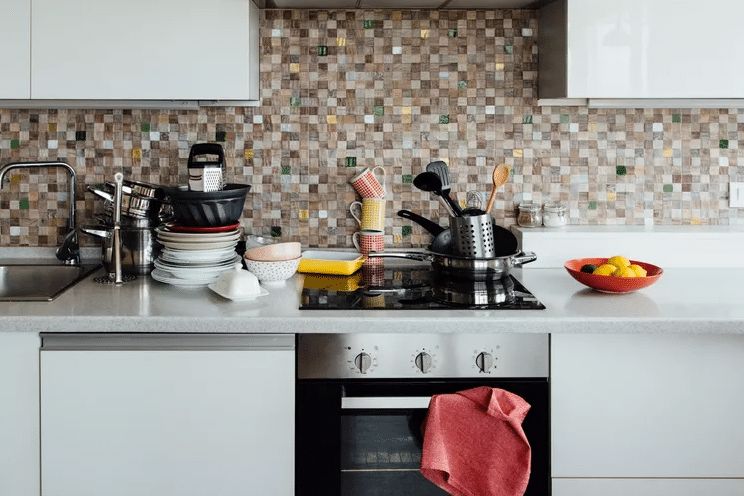
Busy countertops are one of the fastest ways to make a kitchen feel smaller and less clean.
Leaving multiple appliances, utensil holders, and miscellaneous items out in the open interrupts sightlines and reduces usable workspace—especially in kitchens where countertops are a major design feature.
Design tip:
Store rarely used appliances and tools inside cabinets or appliance garages. Clear counters not only look better but also make cooking and entertaining easier and more enjoyable.
3. Oversized Kitchen Islands
Kitchen islands are popular for good reason—but bigger isn’t always better.
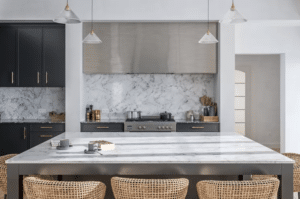
An island that overwhelms the room can disrupt traffic flow, limit functionality, and make the kitchen feel more like a commercial space than a home.
Design tip:
Scale the island to the size of the room. Prioritize walkways, seating comfort, and storage over sheer surface area. Thoughtful lighting, decorative trays, and minimal seating can help the island feel warm and approachable.
4. Mismatched or Overly Ornate Cabinet Hardware
Hardware may be a small detail, but it has a big impact on the overall look of a kitchen.
Oversized, overly decorative, or inconsistently finished hardware can make cabinets feel heavy, dated, or visually unbalanced.
Design tip:
Stick to streamlined shapes and a cohesive finish. If mixing metals, do so intentionally—use one finish for major elements like faucets and lighting, and another for cabinet hardware. Matte black, brushed nickel, brass, and champagne bronze all offer timeless appeal.
5. Overly Busy Backsplashes
A backsplash should complement your countertops and cabinetry—not compete with them.
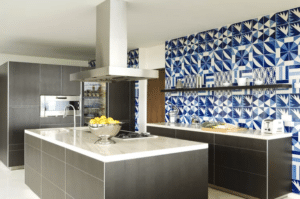
Highly intricate patterns or bold color combinations can overwhelm the space and distract from the kitchen’s core materials.
Design tip:
Create interest through texture rather than pattern. Subway tile, natural stone, brick, or subtly varied ceramic tiles add depth while allowing countertops and cabinetry to shine.
6. Harsh Overhead Lighting
Bright lighting is essential in a kitchen, but too much direct overhead light can feel cold and uninviting.
Relying on a single lighting source often results in a flat, overly harsh atmosphere.
Design tip:
Layer your lighting. Combine overhead fixtures with pendant lights and under-cabinet LED strips to create warmth, improve visibility, and allow flexibility for different moods and tasks.
7. Artificial Greenery
While plants can bring life into a kitchen, low-quality artificial greenery often does the opposite.
Fake plants tend to collect dust and can make a space feel less authentic—especially in a room centered around natural materials and food.
Design tip:
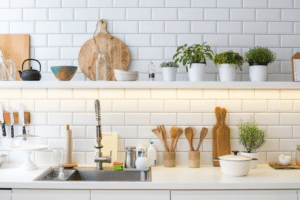
Choose low-maintenance real plants instead. Fresh herbs, pothos, or other hardy houseplants add natural beauty and function without demanding constant care.
Designing a Kitchen That Lasts
A well-designed kitchen doesn’t rely on trends alone—it prioritizes thoughtful layouts, durable materials, and details that enhance everyday living. At Countertop Solutions, we believe the right surfaces and design choices can transform how your kitchen looks, feels, and functions for years to come.
If you’re considering a kitchen upgrade, our team is here to help you choose countertops and design solutions that elevate your space—without the common pitfalls.
Looking for more kitchen inspiration? Explore our blog for expert tips, material guides, and design ideas to help you plan with confidence.