
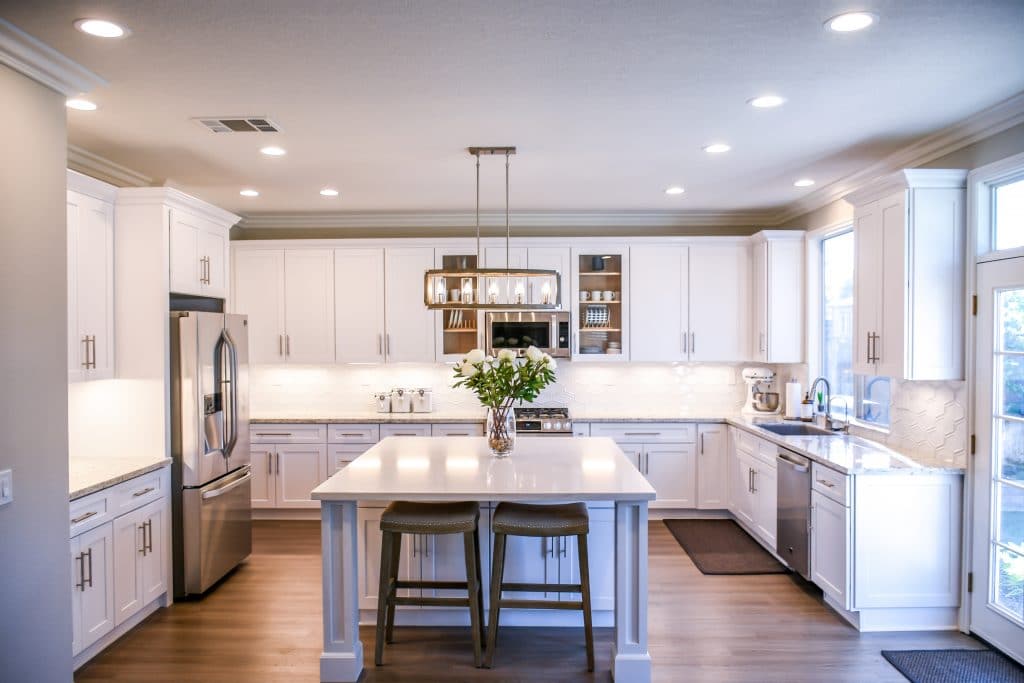
When it comes to renovating or building a kitchen for your family, deciding between natural stone and engineered countertops may feel overwhelming. You have to thoughtfully consider each element of the space, from flooring and appliances to layout design – even down to the materials used. But with careful deliberation and research into what is best suited for you, making this decision can be easier than expected.
But, when picking the ideal material for your countertop, it doesn’t have to be a difficult decision. We suggest asking yourself these questions in order to determine whether natural or artificial materials are best suited for your family’s lifestyle and budget:
Natural Stone Aesthetic
Natural stone countertops provide a unique, natural beauty that is unrivaled by engineered alternatives. Not only are these timeless pieces of art elegant and exquisite in their design, but they also stand the test of time in terms of durability and longevity, making them an ideal choice for homeowners searching for long-lasting counters. From granite and marble to slate and quartzite, each individual stone has its own distinct texture, color, and pattern that add warmth and character to any kitchen or bathroom. Natural stone countertops not only provide a timeless beauty, but they can also increase the value of your home, making them the perfect choice for anyone looking to add a unique touch of craftsmanship and elegance. Plus, with the right maintenance and care, these beautiful counters can last a lifetime! So, if you’re looking for a classic yet modern look for your home, natural stone countertops are definitely worth considering!
What Are Natural Stone Countertops?
Utilizing natural materials, artisanal countertops composed of granite, marble, slate, or soapstone are typically considered to be “natural stone” countertops. Furthermore, the range is even wider and can include:
- Travertine
- Quartzite
- Limestone
- Gemstone
- Onyx
- Granite
Plus a wide variety of other stone types.
Natural Stone Durability
When it comes to strength and resilience, some organic stones may not meet the expectations of engineered stone; they may be more prone to chipping or cracking. On the contrary, granite is renowned for its robustness and exceptional longevity.
Natural stones are typically more heat resilient than their engineered counterparts, making them a great choice for households that frequently cook or tend to place hot pans on countertops. Despite the beauty of natural stones, their porous nature can be a disadvantage. Depending on the type, various levels of porosity are present in most stone materials; consequently, periodic sealing is necessary to prevent staining over time.
If your children are known to be messy with red Kool-Aid or if you have a partner who is particularly clumsy when it comes to their wine, then think twice before committing to light-colored, porous countertops such as marble.
Cost of Natural Stone Vs. Engineered Countertops
Although there are some exceptions, natural stone countertops tend to be more expensive than engineered stones. Even so, they may be worth the additional cost since you’ll receive a product of superior quality in exchange for your expenditure. Installing lovely and robust natural stone countertops will both upgrade your kitchen’s aesthetic appeal as well as significantly increase the value of your home—so if you’re trying to figure out where it pays off most to splurge on renovations, this is a great place to start!
Need Help Deciding?
As the premier countertop experts in West Virginia, Virginia, Maryland, and the DC area, we have decades of expertise pairing families with the best countertop solutions for their projects. Contact us here for help deciding whether natural stone is a good fit for your home!